
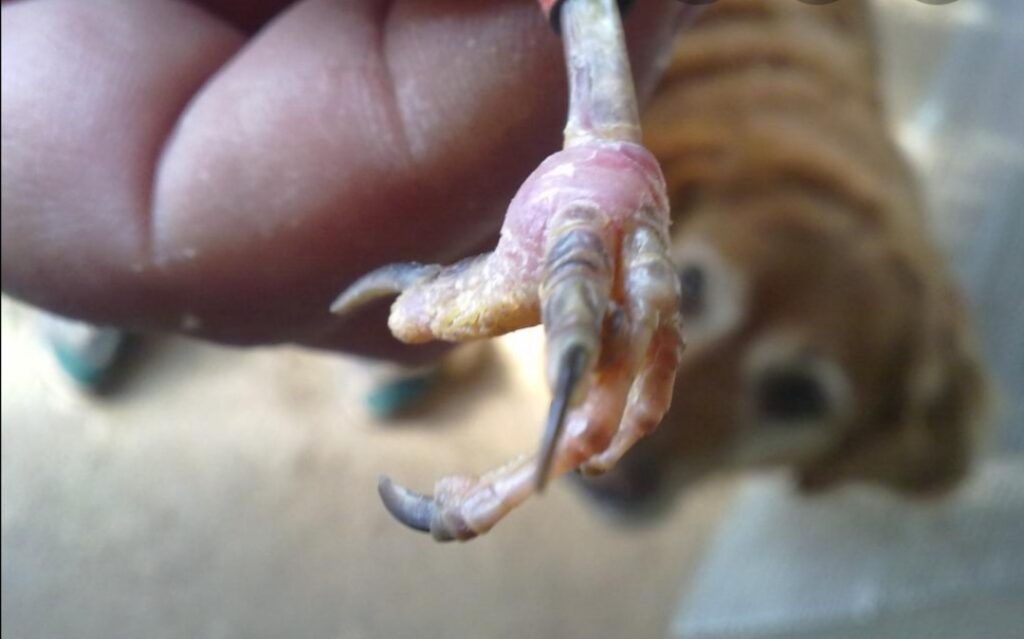
Pododermatitis (English: bumble foot) is an inflammatory, infectious and degenerative process affecting the soft tissues of the foot of various bird species. It can be significantly disabling and cause death from septic and toxemic complications, so it should be promptly recognized and treated.
WHO DOES PODODERMATITIS AFFECT?
This condition is well known and feared by falconers but is also often found in turdids especially in Caesars and Blackbirds.
WHAT CAN BE THE CAUSES OF PODODERMATITIS?
The condition has multiple predisposing factors that can result in decreased local defenses or alteration of the skin barrier such that it opens the door to pyogenic bacteria such as staphylococci, proteus, and escherichia coli.
Predisposing concomitants are poor litter box or perch hygiene, the presence of abrasive materials or perches unsuitable for the size of the foot, dietary deficiencies, obesity, and cracking or wounds on the skin of the soles of the feet.
The food provided to the birds, must be of good quality and stored in such a way as to prevent mold or bacterial contamination: aflatoxins and excess protein can cause serious vascular problems, slowing of the circulation, and bacterial emboli in the feet.
HOW CAN PODODERMATITIS BE RECOGNIZED?
Symptoms can be very insidious: at first, only careful observation of the behavior, posture, and skin of the foot (particularly the underside) can reveal a paw problem.
The structures involved are first the skin of the plantar surface at the level of the pad, or a toe. Injuries then extend to other neighboring areas and deepen involving dermis, tendons, and in severe cases even joints and bones.
The plantar pad appears thickened or swollen, feels warm to the touch, and the bird feels pain, retracts its leg or tries to peck.
The animal often stays on the perch with one leg raised or does not load the weight, limping.
If the lesion is not recognized there is aggravation of inflammation and infection of the underlying tissues with the formation of an abscess , vascular damage and thinning with necrosis of the skin.
The toxins released by the bacteria involved in the purulent infection and the ischemized and pus-stained tissues weaken the sick bird’s defenses and aggravate the already compromised vasculature of the leg.
WHAT TO DO TO TREAT PODODERMATITIS?
Take care of the hygiene of the litter box and poles, adjust the perches placed in the cage or aviary to the size of the legs, providing support that encourages movement and diversified finger grasping, provide the birds with a balanced diet that is complete in trace elements (especially vitamin A, E and biotin) and does not promote obesity: weight gain goes to excessively burden the legs.
At the first symptoms try to understand the management flaw (food, cleaning, perches, injuries, unsuitable environment) and try to remedy it. It is always advisable to promptly consult a veterinary doctor who can assess the severity of the injuries and recommend appropriate medical treatment.
For prevention we recommend the anatomical perches c, thanks to the irregular segments and different sizes , allows us the support of the paw always in a different way ensuring a better blood flow to the fingers, we also recommend the immune supplement from the line turdus specialist, for a diet rich in vitamin A and E to rebalance the possible deficiency forms due precisely to vitamin deficiency.
PRODUCTS FOR THE PREVENTION AND TREATMENT OF PODODERMATITIS
-
 Turdus Specialist “BOOST” Supplement12,00€
 -
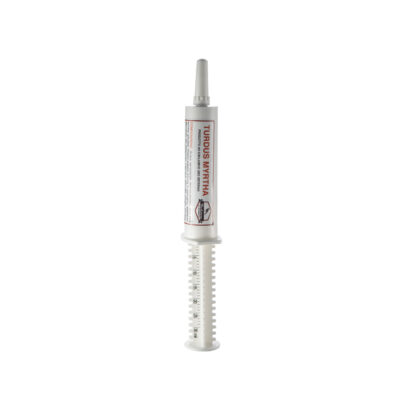 Turdus Myrtha15,00€
 -
 Anatomical perch2,50€
