Author: Redazione

Redwing Method – Daniele Bellicini

Redwing Method – Daniele Bellicini

This breeding season is also just around the corner, and I would like to tell you a little bit about how my passion came about.

I have been in the world of ornithology for 3 years now also although since childhood I have always bred from the most varied species of budgies and canaries but let’s face it…nothing that ever made me really satisfied.

Read more →
Redwing Method – Daniele Cuva

Redwing Method – Daniele Cuva

I entered the world of ornithology and breeding a couple of years ago, when, stimulated by the strong interest I have in the animal world ( I own a farm and run a riding school) , I met Bazzani Firmo, the owner of the farm Allevamento Redwing, a really very professional and prepared person who from the very beginning made himself available to teach me the various techniques of turdid breeding.

Read more →
What is hyperkeratosis?

What is hyperkeratosis?

Hyperkeratosis is a skin disorder and consists of thickening of the outermost layer of the epidermis that is subject to an accumulation of epithelial cells or keratinocytes. The keratinocytes are formed on the basal layer of the epidermis and are expelled ending their cycle (40 days) from the skin surface through the process of desquamation, now devoid of nucleus and saturated with keratin.

Read more →
The Pathologies of Malnutrition

The Pathologies of Malnutrition

Malnutrition Pathologies can be diverse, but all can be traced to deficient dietary imbalances.

Those most frequently encountered is the:

Hypovitaminosis A
Vitamin A deficiency is in fact the most frequent cause of malnutrition in birds, and while it affects several species of birds, it particularly affects those turdids fed unbalanced feeds or “pushed” with do-it-yourself feeds.

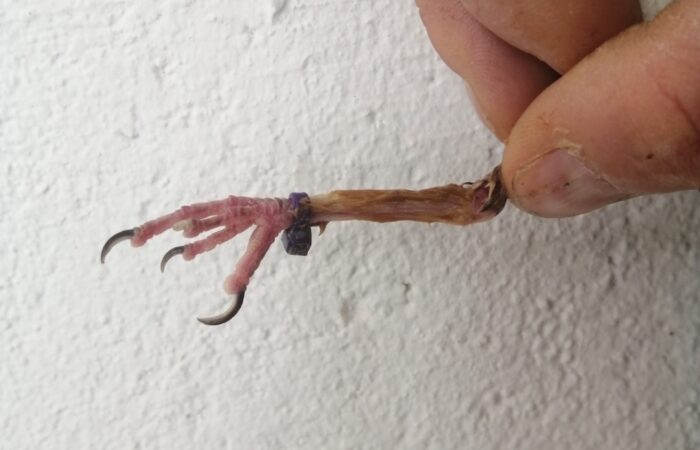
Symptoms related to hypovitaminosis A are numerous and include: slimming, recurrent infections at the level of the gastric and respiratory district, sinusitis, hypertrophy of the sublingual gland presence of whitish nodules and plaques at the level of the oral cavity, ulcerations and hyperkeratosis at the level of the limbs.

Such symptoms related to the history alone can point us toward a diagnosis of hypovitaminosis A, which can be confirmed by a liver biopsy (to assess vit. A levels).

Clearly, therapy consists of dietary correction, which must contemplate doses of vit. A of about 4000 IU/kg of food.

HOW TO PREVENT.

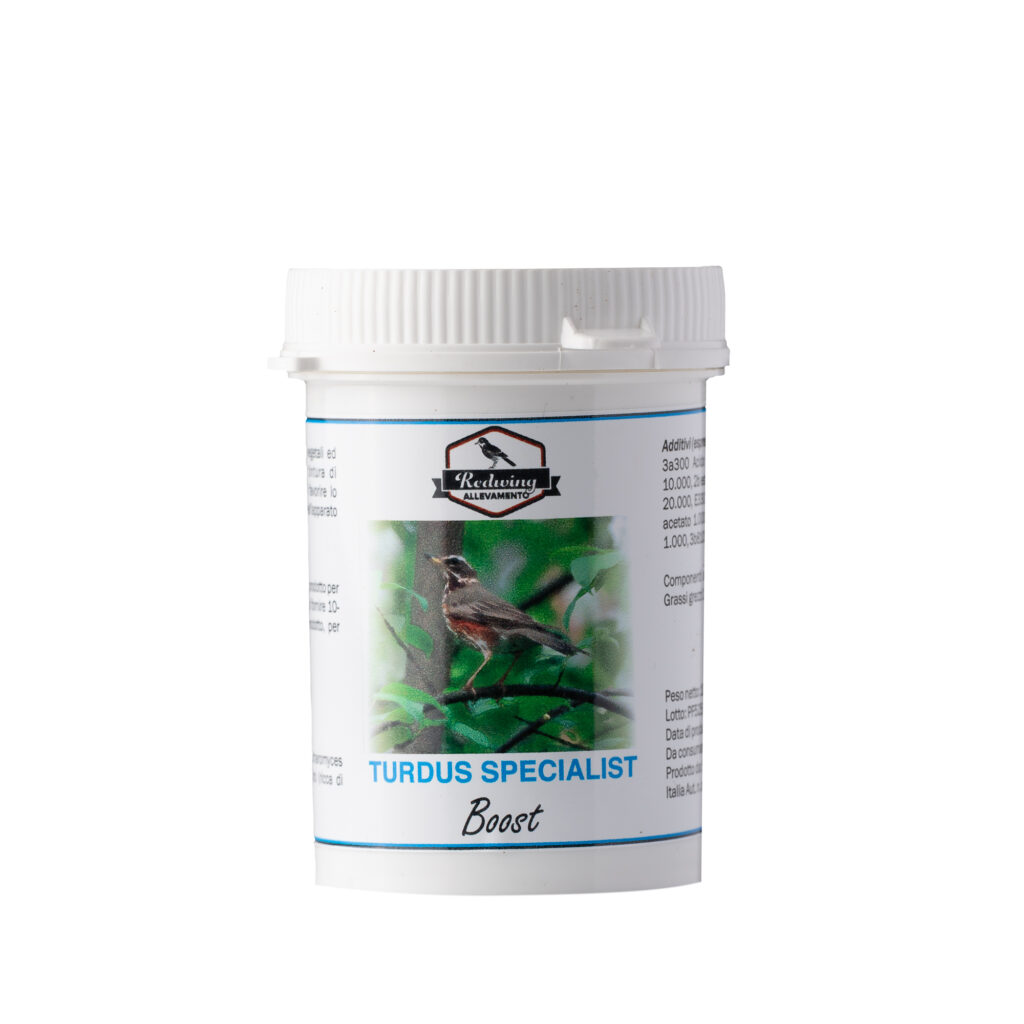
The turdus specialist immune line supplement based on plant extracts with immunomodulatory and antimicrobial action, is ideal for improving the immune response, stress( especially for those subjects housed in aviaries), in transport, quarantine and in the case of infectious diseases. Adjuvant in the treatment of infections of the digestive system ( goiter, stomach and intestine) it contains prebiotics that can promote the development of beneficial microbial flora in the gastroenteric aparatus of turdids.

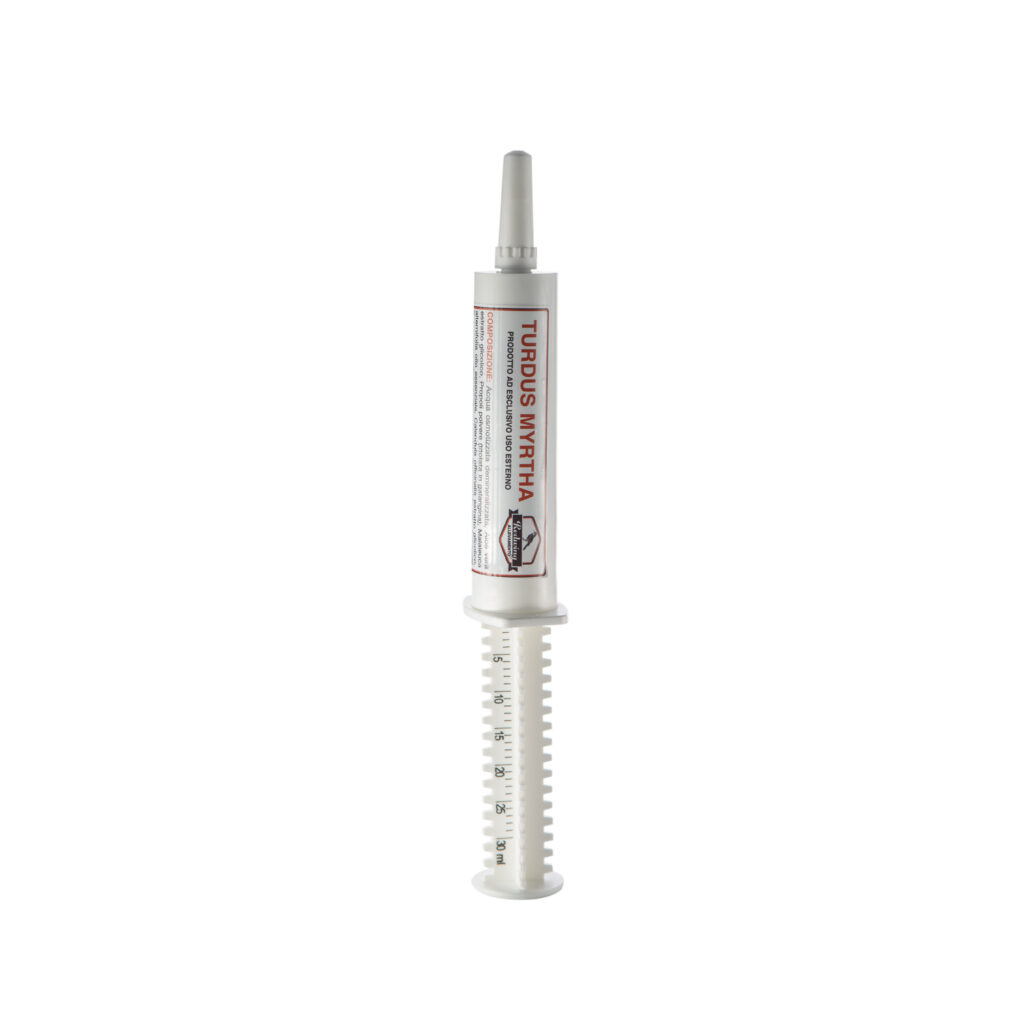
TURDUS LEUCAGEL is a truly innovative dermatological gel characterized by a powerful antimicrobial action, guaranteed by Tea Tree Oil (extracted from the plant Melaleuca alternifolia) and extracts of aloe vera and propolis.

The presence of vegetable oils (wheat germ, sweet almonds, thyme, Scots pine) in the composition of TURDUS LEUCAGEL further enhance the antimicrobial action and at the same time promote the regeneration of damaged skin, accelerating the healing processes.

The synergistic action of the various components make TURDUS LEUCAGEL an excellent adjuvant in the treatment of numerous skin infections of bacterial, fungal and viral nature.

TURDUS LECAGEL has shown remarkable efficacy in the treatment of plantar abscess (“bumblefoot”) in birds at various stages of development, as well as being used successfully in numerous avian skin conditions such as dermatitis, burns, pecking, trauma and abscesses.

The product also finds application as an adjunct in the treatment of self-trauma sores. The unpleasant taste of TURDUS LEUCAGEL also prevents the animal from removing the dressing by licking and continuing the pathological behavior of self-traumatization.

TURDUS LEUCAGEL is easily applied to the part to be treated, thanks to the convenient dispensing syringe, in a thin layer, once-twice a day until healed.

Recommended Products

Pododermatitis

Pododermatitis

As expressed by Dr. Conzo, the symptoms can be very insidious: at first, only careful observation of the behavior, posture, and skin of the foot (particularly the lower part) can reveal a foot problem.

The structures involved are first the skin of the plantar surface at the level of the pad, or a toe. Injuries then extend to other neighboring areas and deepen involving dermis, tendons, and in severe cases even joints and bones.

It is therefore incumbent to bring much attention to prevention , the only weapon available to counter and avoid this troublesome disease.

Dietary supplementation , anatomical perches and dermatological ointment can prevent and improve the well-being of our winged friends.

Melanism in turdids

Melanism in turdids

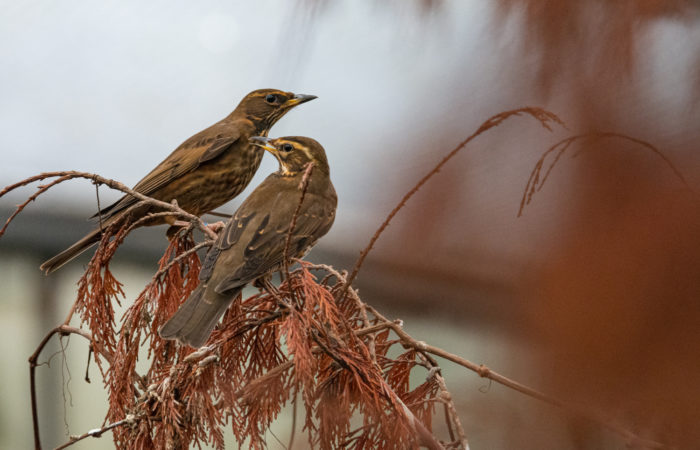
Some clarity on Melanism (photo shows redwing (turdus iliacus) dark phenotype present in breeding.

PLUMAGE COLORATION AND THE CAUSES OF THE ABNORMALITY


The polychromatic appearance of the birds is due to the presence of special substances that are deposited in the feather structure during its growth.

The main pigments (organic coloring products of purely metabolic origin) present in the structure of the plumage are: melanins (substances responsible for black, gray, brown, tawny and dark-yellow coloration) and carotenoids (which give yellow, orange, red and, very rarely, blue-violet).

The blue and azure hues are normally produced by “optical,” not bio-chemical means; in practice, the presence of these colors depends on the particular way in which light is reflected from the surface of feathers and feathers. This is also how the numerous iridescences and “metallic” and “bronze” reflections arise.

Finally, the manifold variety of shades depends on how the different dyes and reflective areas are distributed in the right doses and in the right places.

In some cases this natural pigment arrangement does not occur according to traditional patterns and then, occasional individuals exhibit abnormal, but often aesthetically pleasing liveries, at least to human eyes.

These specimens exhibit their characteristic aberrant appearance from birth; this happens because the real cause of the coloration abnormalities is directly related to the erroneous development of the growing chick, still inside the egg.

In practice, the organism produces the coloring substances in quantities either too small or too abundant compared with those present in the metabolism of “normal” individuals; the excess or deficient synthesis of these substances is the essential difference that allows the distinction of the various main types of chromatic aberration.

The origin of the hypo- or hyper-production of pigment (which generates the abnormality) is inherent, in turn, in a mutant genetic code, whose random variations at the chromosomal or amino acid level, are reflected in bizarre development and, generally, abnormal metabolism (this abnormality in the bio-chemical functioning of the organism can be so far-reaching as to become lethal; this is why many “mutants” are aborted before birth).

CHROMATIC ABERRATIONS: THE “BASIC” TYPES

Coloration abnormalities fall into two broad categories: if a specimen’s organism produces the coloring substances in smaller amounts than usual we will have (depending on how small the actual amount of pigment produced is) Isabellism, Leucism or Albinism; if, on the contrary, too many substances are accumulated in the pens we will have (depending on the type of pigment overflow) Melanism or Erythrism

Sometimes the abnormality is uniform over the whole body, other times it occurs in scattered patches. In addition, the parts not covered by feathers (beak, legs, eyes, and any patches of bare skin) show the same aberrations exhibited by the plumage, as they contain the same coloring substances present in the feathers.

Melanism and Erythrism

Unlike the cases previously seen, Birds affected by these genetic abnormalities possess an exaggeratedly abundant amount of dark pigment, which is deposited in the structure of the most superficial tissues.

Melanic specimens appear uniformly dark (partial melanism is rarer than complete melanism) even where, in typical individuals, light, white, grayish or yellowish hues normally predominate.

Erythrism consists simply of the predominance, over other coloring substances, of darker carotenoids, which, together with melanins, generate a plumage that is (usually) uniformly and exaggeratedly reddish, brown or, even, purplish. Among the various forms of chromatic aberration, erythrism is certainly one of the rarest and most peculiar.

X