Category: Breeding diary

Journal #5 – February – Preparing for hatching.

Journal #5 – February – Preparing for hatching.

Early February, temperatures are still low, our spawners have been on artificial photoperiod for a month already, the fruit-based feeding protocol continues, but we are approaching breeding and dietary requirements change again , a support with the supplement “Reproduction from the turdus specialist line based on vitamins E,B vitamins, carneitin and arginine stimulate sperm production and courtship activity of males increasing fertility.

Read more →
Diary #2 – December – Cold days, fruit the solution

Diary #2 – December – Cold days, fruit the solution

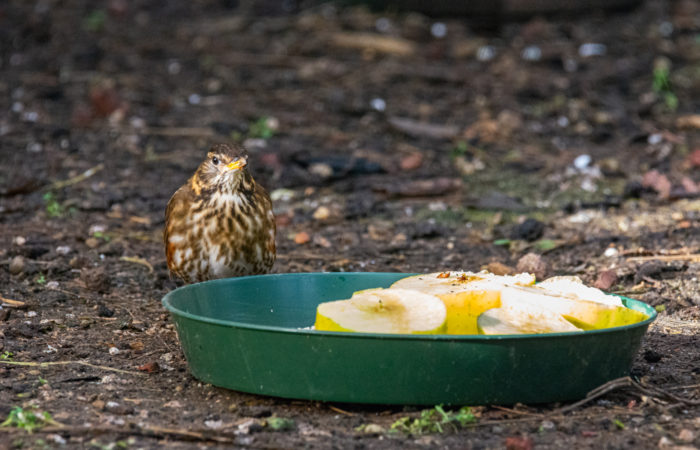
We have long since entered the depths of winter, the days are cold, and the calorie consumption of breeding stock is constantly changing according to the temperatures as well; we can notice this because they tend to feed more. This need is due to the increased demand for carbohydrates and sugars, which help the complex physiological mechanism of ‘ homeothermia, or the process of regulating body temperature.

Read more →
Diary #0 – The Beginning

Diary #0 – The Beginning

I have been breeding turdids for about 20 years the intent of this small journal is to share my ornithological experiences with you. In addition to being of interest to future breeders who frequently find themselves asking me for advice on breeding management, it may engage hunting enthusiasts and naturalists to learn more about these beautiful winged creatures.

Read more →
Diary #1 – October – The choice of breeding stock

Diary #1 – October – The choice of breeding stock

We have reached late October, the first cold days avert the presence of mosquitoes, it is time to choose the breeders for the next breeding season, a fundamental phase and therefore the breeder must, based also on experience, focus on this non-trivial aspect since if mistakes are made at this stage we will bring with us various problems and even failures or partial reproductive successes. The advice in the first place is a ‘fecal analysis by an avian veterinarian, who will be able to monitor the health status of possible breeding stock, avoiding future problems.

Read more →
X