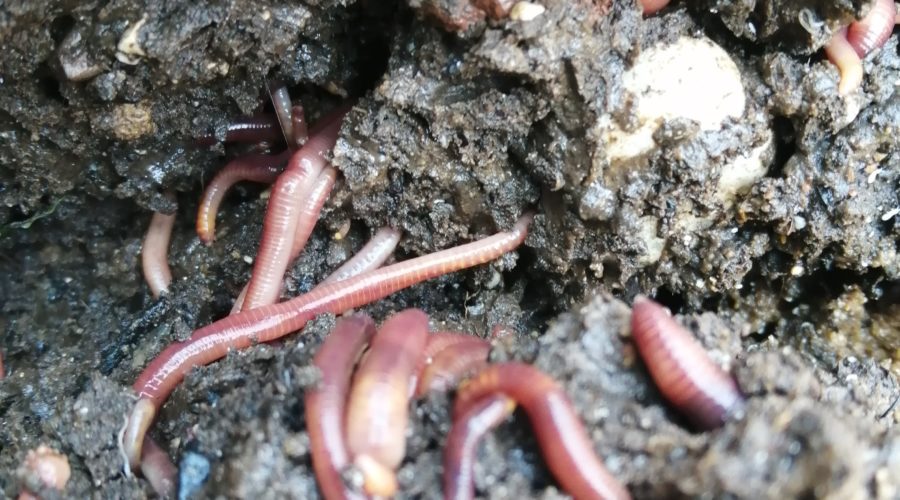
Intestine of the world for Aristotle and most important animal on earth for Charles Darwin, so important for fertilization in the Nile Valley that it was called sacred by Cleopatra.
What many people insist on calling a worm is actually a prodigy of nature, a true “ecological engineer.”
Earthworms ingest all our organic waste, transforming it into humus, one of the best natural fertilizers known so far: a soil conditioner allowed in organic farming that can improve the chemical and physical structure of soil by increasing its fertility.
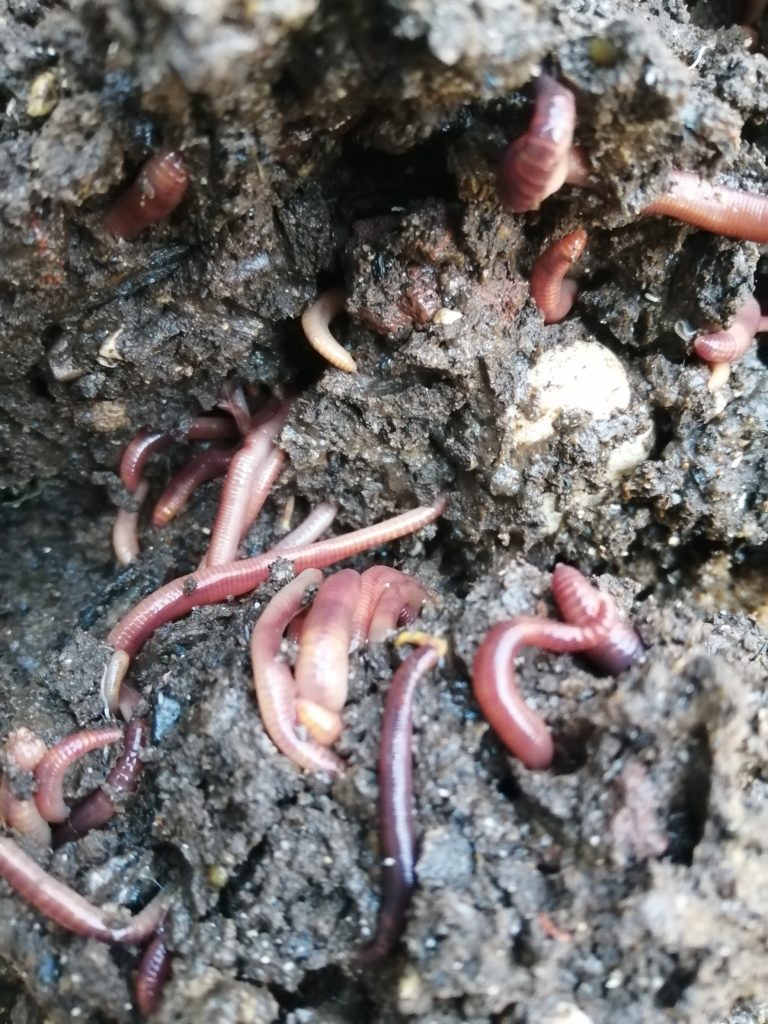
There are hundreds of species of earthworms in existence, but the most suitable type for breeding is the so-called “California red worm” also referred to simply as the “red earthworm.”
The red earthworm reaches a length ranging from 6 to 10 cm, possesses 5 hearts and 6 kidneys, and eats an amount of organic fraction equal to 60 percent of its own weight every day. It is very hardy and can handle significant temperature excursions. It is a hermaphroditic annelid and has a very high reproductive capacity; it fertilizes every week and produces, on average, 5 eggs that will hatch after about 22 days, giving birth to 2 to 4 young, which will in turn be sexually adult after about 60 days.
It feeds on all waste of an organic nature and, in particular, on manure of any kind: the latter is its favorite food. The earthworm in addition to having all the characteristics listed so far, alas often carries unwanted hosts that often cause the death of the young chicks. Ornamental birds can also harbor parasites in their digestive system that can give even serious diseases if not properly treated let’s get to know them better.
Essentially, it is possible to divide the intestinal parasites of birds into two main groups: the Protozoa and the Elminths. The former are unicellular parasites, thus very small in size and not visible to the naked eye. Elminths, or Maggots, on the other hand, are more complex organisms, easily observed even with the naked eye once they have been expelled from the bird’s digestive system.
Here are some parasites that attack birds Some parasites, such as Tenias (also called Cestodes or Flatworms), require an intermediate host (usually an insect) to complete their biological cycle and penetrate the intestines of birds, which become infested by ingesting the intermediate host containing the parasite. It is precisely the peculiarity of their biological cycle that makes Tapeworms the most feared parasite by insectivore breeders.
How to tell if a bird has parasites?
The damage that these parasites cause in birds is highly variable both in terms of symptoms and their severity, depending on the etiological agent, the amount of parasites present and the immune status of the parasitized bird. Since these are infections of the digestive system, cases of diarrhea and progressive slimming are very often observed,sometimes with the presence of indigestible food in the feces. Appetite often increases since the parasites take away nourishment from the bird, which tries to compensate by eating more often.
Among bacterial causes we find colibacillosis with good frequency. The disease is caused by E. coli, a microorganism that is ubiquitous and that is normally present in the environment and intestines of many animals. The presence of this disease in a herd means that animal management techniques are incorrect (e.g., hygiene, cages, feeding…).E. coli comes in many variants and only rarely manages to attack a healthy specimen. It often takes advantage of latent conditions of deficiencies and immunosuppression to trigger the disease in birds, especially in the most delicate stages such as breeding and moulting.Symptomatology often involves the gastrointestinal system, in the reproductive sphere it can lead to death of the embryo or chick in the first days of life.For these reasons, the feeding protocol we have been adopting for years now in breeding is cooked and frozen.
As for the earthworm, the steps are these:
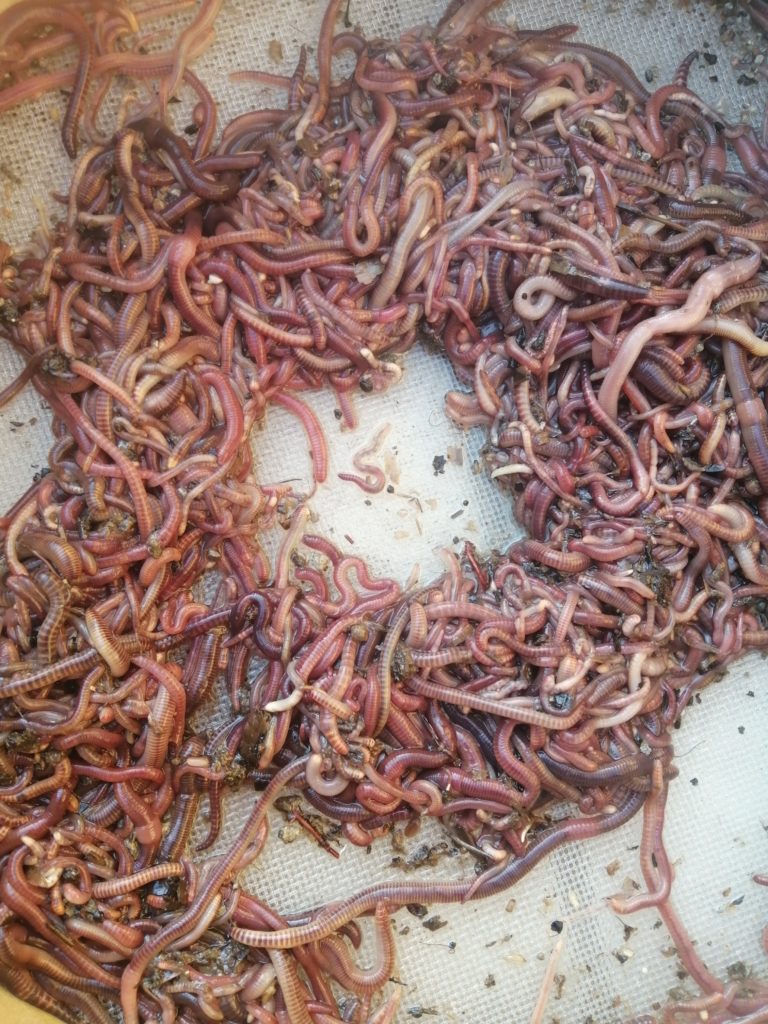
We take the earthworms with the help of tweezers from our compost heap, place them in a bowl, then decant them in a sieve rinsing them repeatedly with water to separate as much as possible the organic part from the earthworm, bring the water to a boil in a pot, and we immerse the earthworms, once the boiling is resumed 2 minutes of cooking are sufficient to“sterilize” our earthworms from possible unwanted guests, we greatly lower the bacterial loads present and always thanks to boiling we increase the digestibility of the earthworm. At this point all we have to do is bag the earthworms in the daily ration and refrigerate them.
