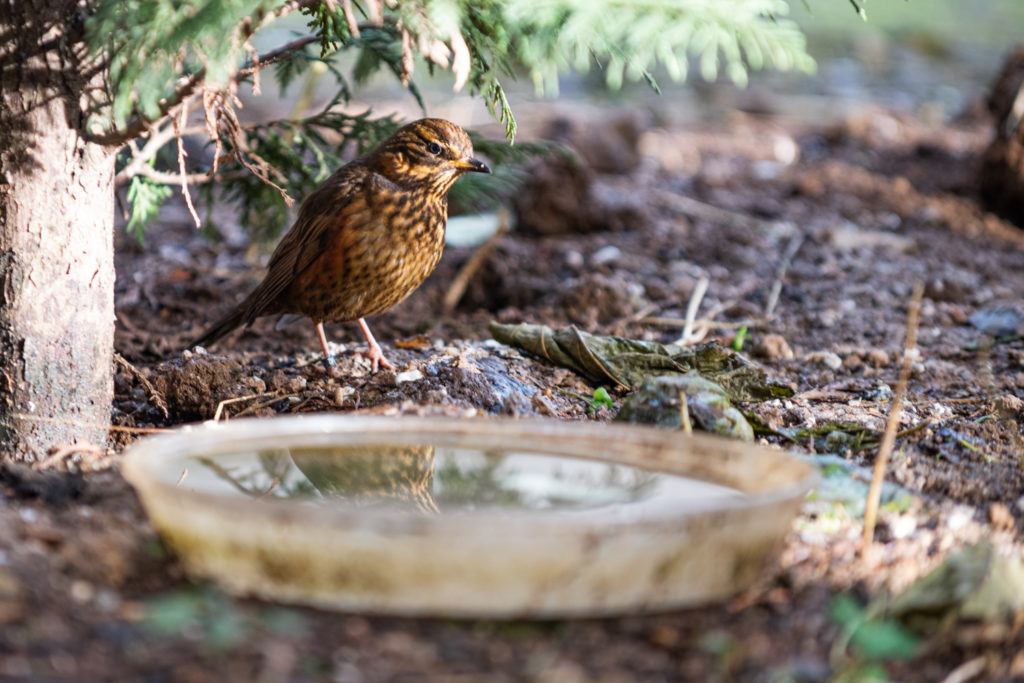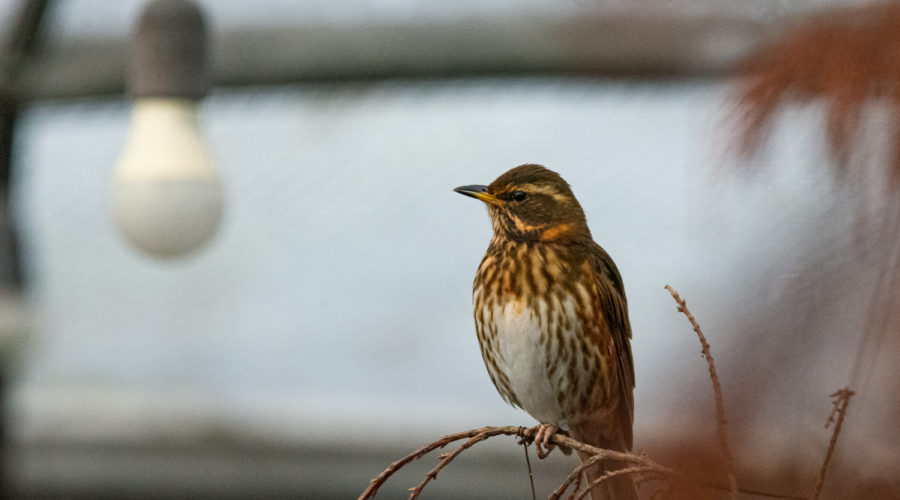
We are in January, the days are cold, the skies clear, the pairs already formed in October have had time to create hierarchies in the aviaries in the colony and taken possession of territories in the fixed pairs.
For the aviaries of redwing and capercaillies, this is the right time to start with turning on the artificial photoperiod, thus anticipating breeding and avoiding the mosquito danger as the warm months approach. In the first days of that month, we have a daylight duration of just under 9 hours.
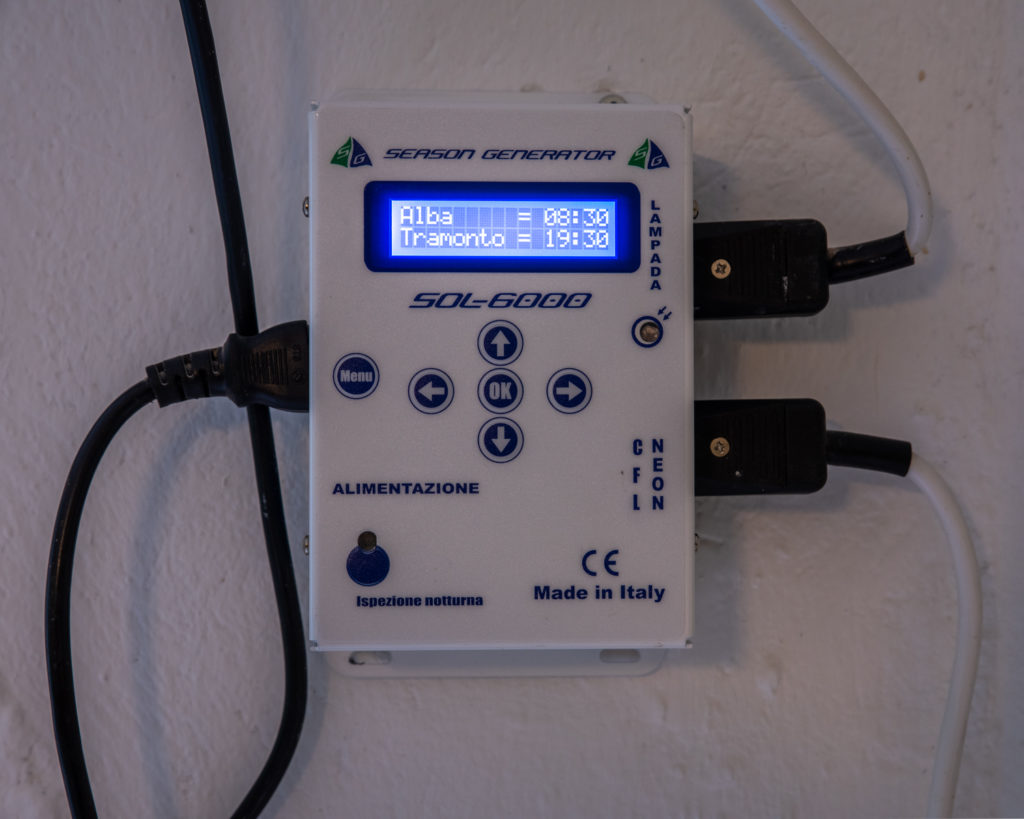
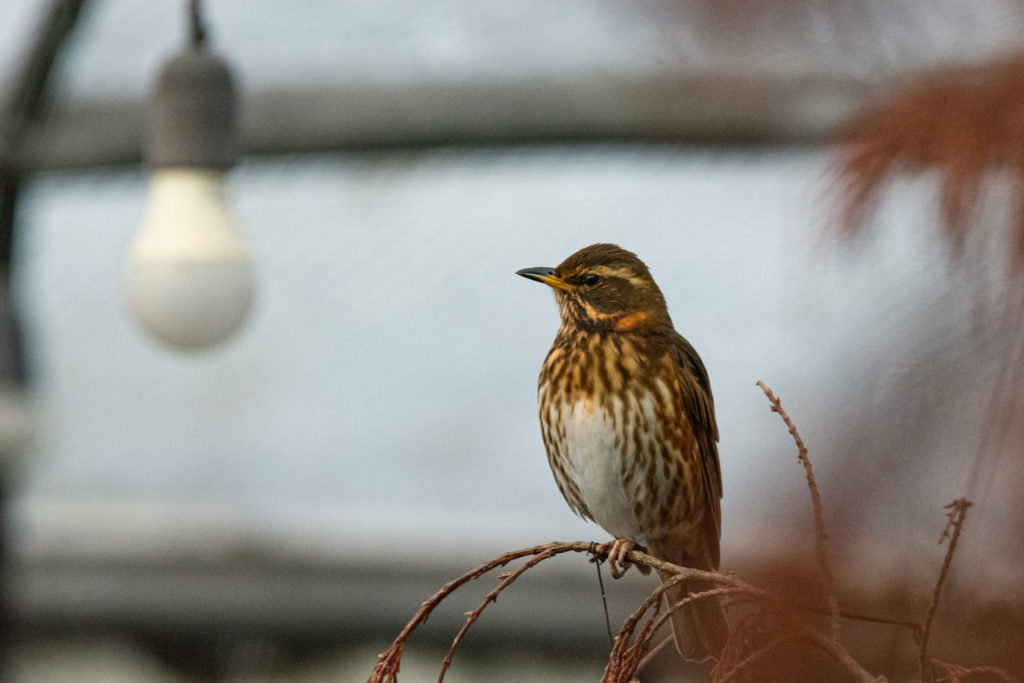
Turning on the photoperiod, set with the same hours of natural light, we give a daily increment of 5 minutes divided into 4 minutes at sunrise and 1 at sunset, taking care to leave the natural sunset and anticipate the artificial one by a few minutes, a procedure that allows the reproducers the guarantee of the perception of the end of the day. The duration of the increment will be about 80 days, evaluating during the passage of days stops according to weather conditions.
Light is the main element, which is necessary to induce mating oestrus, mating and thus hatching, other important factors are increased temperature, the presence of the singing male, nest-building ability, feeding, humidity and atmospheric pressure.
At this time, fruit feeding and attention in daily water exchange continues, as does the observation of breeding stock to understand their reproductive possibilities. My opinion is that we can improve breeding by adopting all the necessary techniques, but rationally, without excessively “forcing” our winged friends and what happens in nature.